
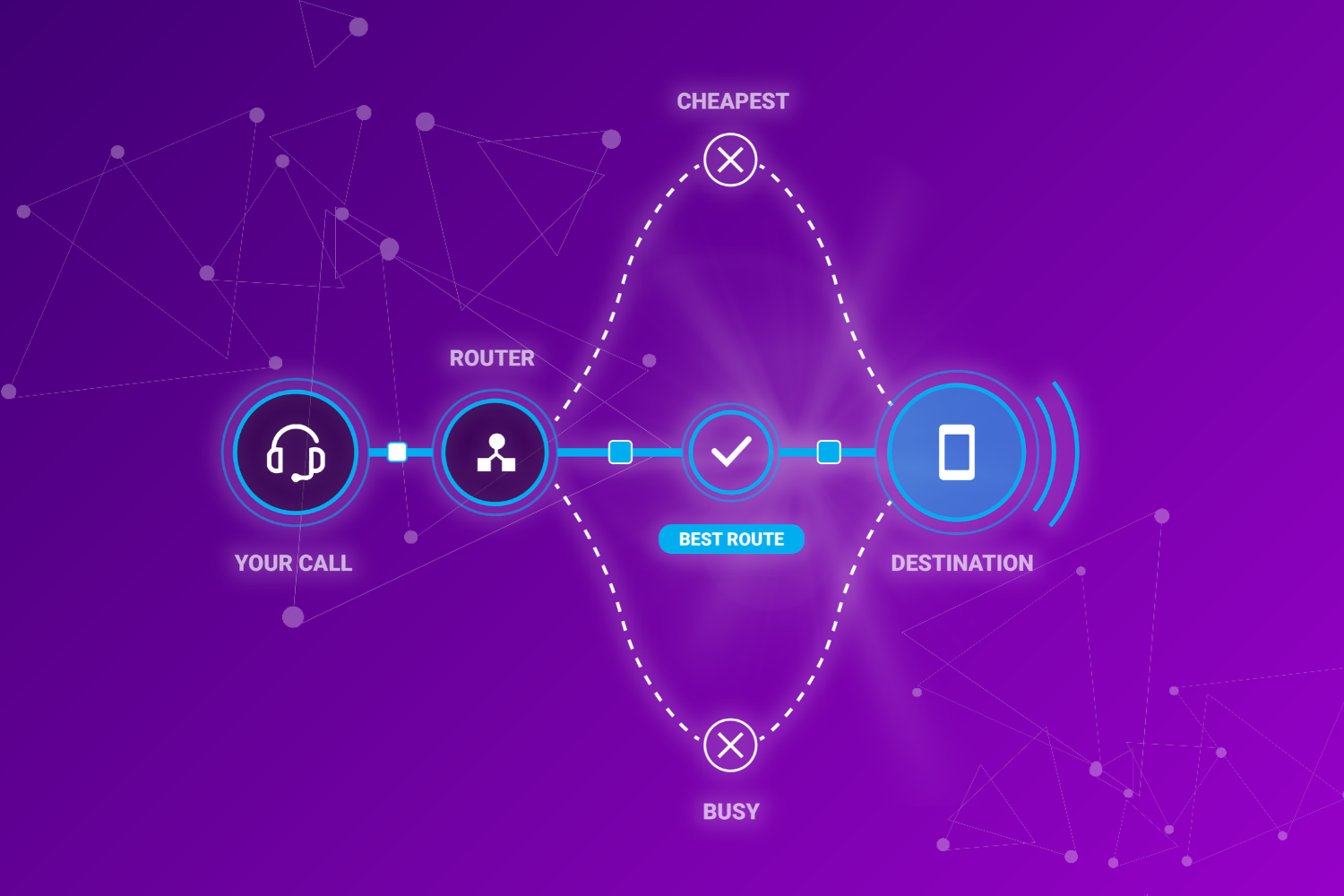
When a VoIP provider calls itself “Tier 1”, it’s easy to dismiss it as a marketing label. It actually points to something practical: how your calls get from A to B.
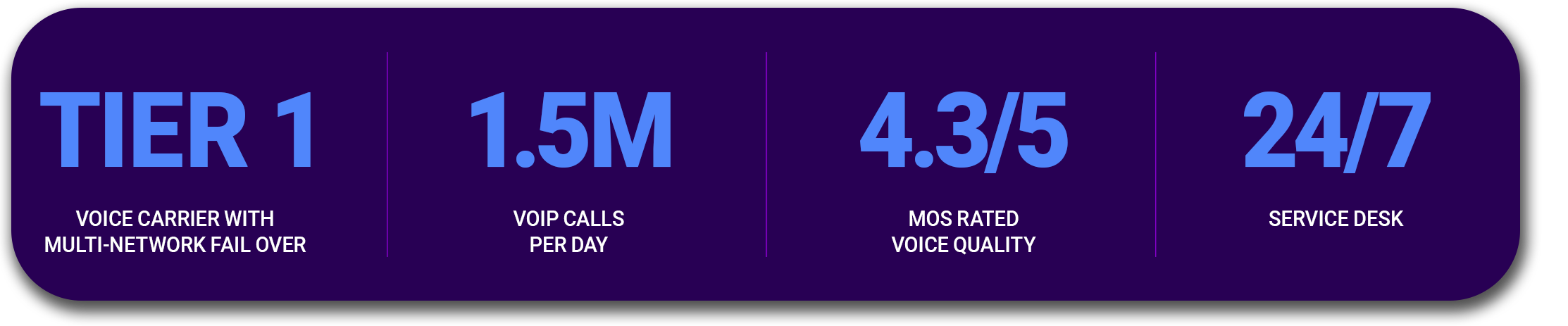
A Tier 1 voice carrier connects directly to other carriers’ networks instead of buying capacity second-hand from someone else. Fewer middlemen mean fewer places for things to go wrong. That usually shows up as clearer call quality, lower latency and better control over rates.
The second piece is failover. If one network route has a problem, calls are automatically redirected over another. For a business that takes orders, supports customers or dispatches staff by phone, a dropped line is lost revenue, so resilience matters.
Centracom, for example, operates as a Tier 1 voice carrier with multi-network failover, handling around 57 million calls a month with 99.9% core network uptime.
What to ask when comparing VoIP providers
- Do you own or directly interconnect with the network, or resell it?
- What happens to my calls if a route fails?
- How transparent are your rates?
Cheap per-minute pricing means little if calls drop or sound poor. Reliable voice starts with the network underneath.
Curious how Tier 1 VoIP could improve your business calls?
